Diaphragm seals
Diaphragm Seals
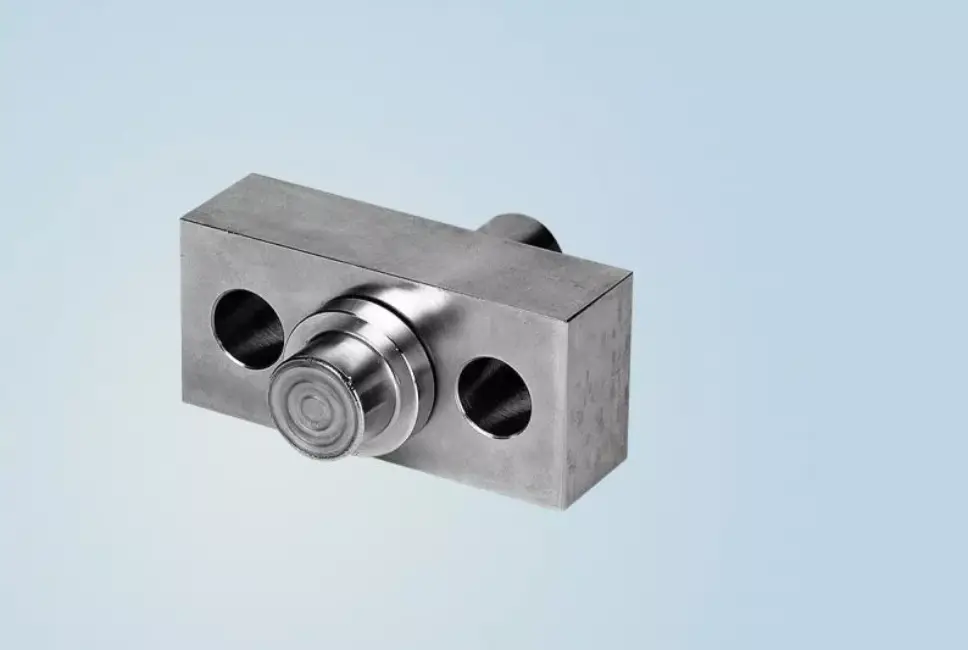
Functionality
Diaphragm seals (also known as chemical seals) separate the pressure measuring instrument from the process medium. Pressure is transmitted hydraulically via a flexible diaphragm and a fill fluid to the measuring instrument. This protects pressure gauges, pressure transmitters, and pressure switches from aggressive, viscous, crystallizing, or high-temperature media while ensuring accurate pressure measurement.
Design and Construction
A diaphragm seal system consists of the following main components:
- Diaphragm: Flexible membrane that comes into contact with the process medium.
- Upper housing / instrument connection: Connects the seal to the pressure instrument.
- Lower housing / process connection: Connects the seal to the process.
- Fill fluid: Transmits the pressure from the diaphragm to the instrument.
- Optional capillary: Allows remote mounting of the instrument for high temperatures or difficult installation conditions.
Materials and Special Alloys
The selection of materials is critical for the reliability and service life of the diaphragm seal. Depending on the process medium, the following materials are commonly used:
- Standard applications: Stainless steel 316L / 316Ti
- Highly corrosive media (e.g. acids, chlorides): Monel, Hastelloy C22 or Tantalum
- Extreme chemical resistance: Tantalum diaphragms or gold-coated diaphragms
- High viscosity or solids-containing media: Flush or extended diaphragms with large diaphragm diameter
- Hygienic applications (food, pharma): Electropolished stainless steel or special surface finishes with flush mounted seals – perfect for CIP and SIP applications
- High temperature applications: Special designs with mechanical cooling or remote mounting via capillary
Types of Diaphragm Seals
Diaphragm seals are available in different designs depending on the installation situation:
- Threaded diaphragm seals: For direct connection to threaded process connections (compact and cost effective)
- Flanged diaphragm seals: For mounting on tanks, pipes or reactors
- Inline / Wafer diaphragm seals: For installation between flanges with minimal dead space
- Sanitary / Hygienic diaphragm seals: With Tri-Clamp or other hygienic connections for the food and pharmaceutical industry
Advantages
- Reliable protection of the pressure measuring instrument from aggressive, viscous, or high-temperature media.
- Wide range of material combinations for almost any process condition
- Possibility of remote mounting via capillary for difficult installation situations or high temperatures
- Long service life and reduced maintenance when the diaphragm seal is correctly selected.
- High flexibility through modular design and customized solutions
Disadvantages
- Additional measuring error can occur if the system is not correctly filled or installed
- Proper selection of material, size, fill fluid, and temperature range is essential for reliable performance of the diaphragm seal.
- Higher initial costs compared to direct-mounted instruments
- Response time can increase with long capillaries or high-viscosity fill fluids
- Regular inspection of the fill fluid and diaphragm is recommended in critical applications
Applications
Diaphragm seals are used wherever the pressure measuring instrument must be protected from demanding process conditions, including:
- Corrosive or aggressive process fluids
- High-viscosity media, slurries or media with solid particles
- Media that tend to crystallize, polymerize or solidify
- Very high or very low process temperatures
- Hygienic processes with strict cleanliness requirements
- Applications with high static pressure or strong pressure fluctuations